














 2026. October 04.
How to Make Your Flag Last Longer – Practical Care Tips
A few simple rules to keep it looking great for a long time
An outdoor flag is constantly exposed to sunshine, wind, rain, dust and other environmental effects. Although high-quality flag fabrics are designed for outdoor use, no textile is indestructible. By following a few simple rules, however, you can significantly extend the lifespan of your flag.
The flag's biggest enemy is the wind
Many people think that rain or sunshine is what mainly ruins a flag. In practice, though, one of the heaviest strains comes from the wind.
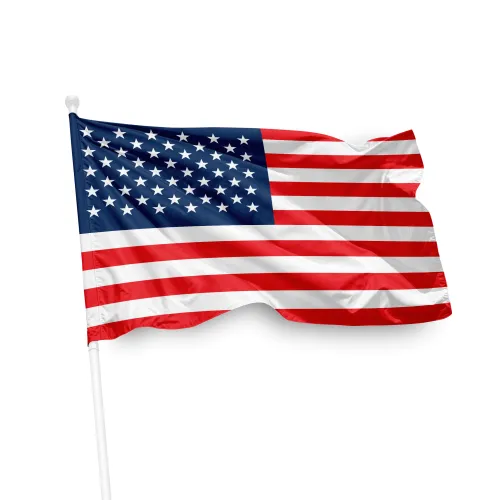
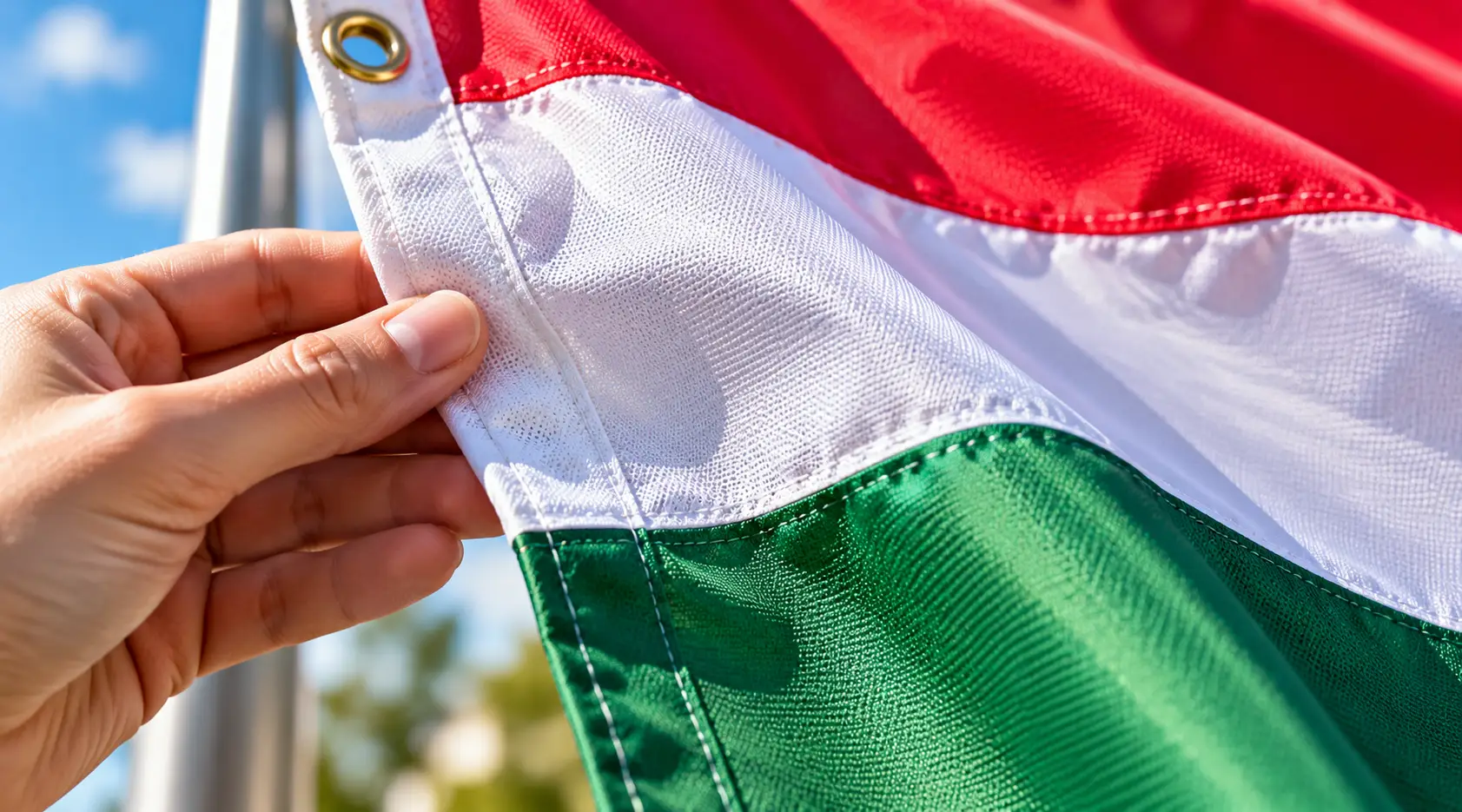
Constant fluttering stretches the fabric and the seams again and again. The free-flying edge of the flag takes an especially heavy load, which is why the first signs of wear and fraying usually appear there.
That's why it's worth taking your flag down in strong wind or storms. Not because an outdoor flag can't handle wind, but because extreme weather puts orders of magnitude more strain on it.
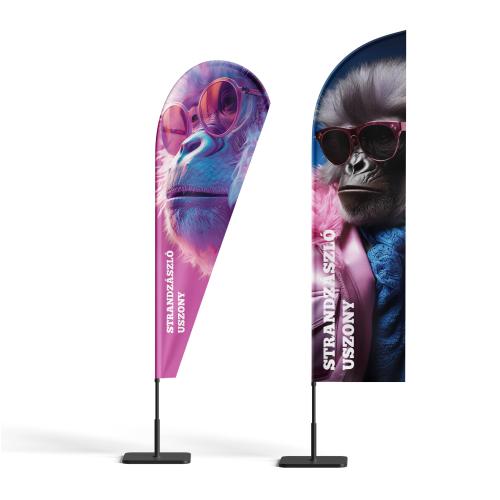
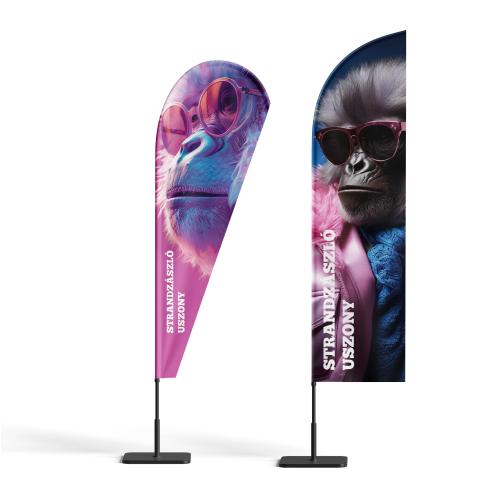
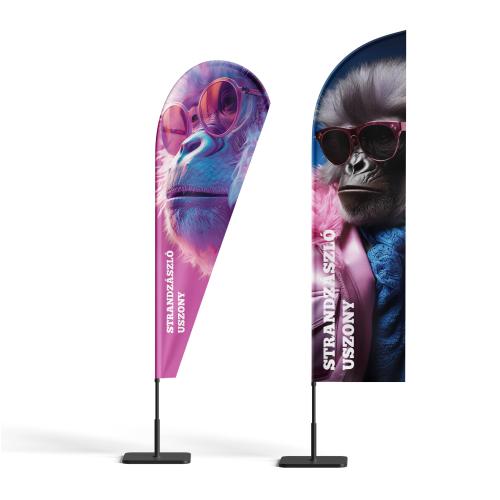
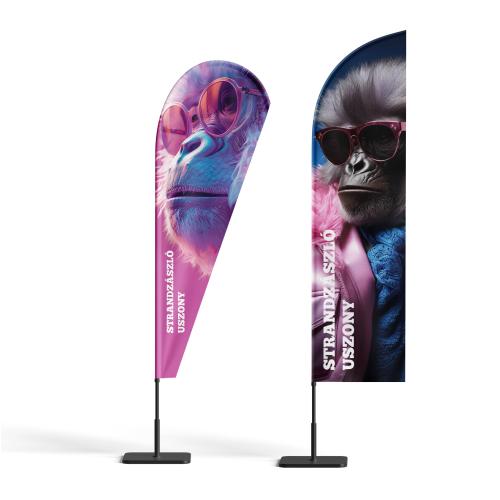
The same goes for beach flags: they're made for normal outdoor use, but in a storm it's not worth testing the fabric, the pole set or the base.
Don't let your flag touch anything
A tree branch, wall, eave, pole or even another flag can wear down the fabric surprisingly quickly.
A textile moving in the wind constantly rubs along whatever surface it touches. What seems insignificant at first can, over time, damage the hem and the flag fabric itself.
So when installing, always check that the flag can flutter freely throughout its entire range of motion.
Proper fastening matters too
Your flag shouldn't be too taut or unnecessarily loose. Fastenings that are poorly adjusted or worn out can put extra strain on the fabric and the attachment points.
It's worth checking from time to time:
the seams and edges,
the carabiners and other fasteners,
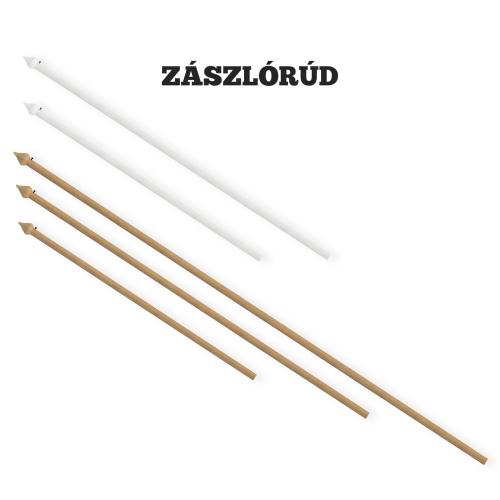
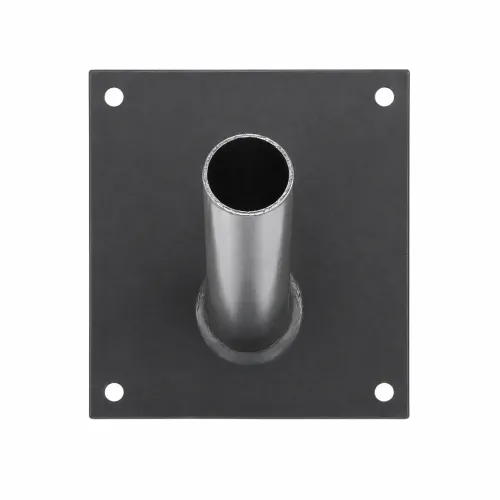
the flagpole and its fittings,
for a beach flag, the pole set, the fabric sleeve and the base.
It's much easier to fix a small defect in time than to wait until the wind tears the fabric further.
It's worth washing your flag from time to time
Dust, soot, pollen and other dirt build up on an outdoor flag. Because of this, over time it can look faded and older even if the print itself is still in good condition.
Polyester flags can usually be cleaned with a gentle wash. Use a mild detergent, and avoid bleach, harsh chemicals and strong rubbing.
Let it dry naturally instead of using a dryer
After washing, it's best to let your flag dry in the open air. Lightweight polyester fabric dries quickly, so a tumble dryer is usually not needed.
The most important rule: don't store it wet.
A textile folded or rolled up while wet can develop an unpleasant smell, stains and, in extreme cases, even mold.
Sunshine ages the fabric too
Outdoor flag printing is of course made for outdoor use, but in the long run UV radiation affects every textile and print.
A flag that is outside all year round, 24 hours a day, will naturally wear and fade faster than one that is only put out during opening hours or at events.
If you don't need it displayed continuously, it's worth taking the flag down when it's not in use.
How should you store it?
Only put away a flag that is completely dry and preferably clean. Store it in a dry, cool place protected from direct sunlight.
For longer storage, it's best to fold it loosely or roll it up instead of making strong, sharp creases, so the same fibers don't always bear the strain.
If it starts to fray, don't wait
A few loose threads appearing on the edge of the flag don't necessarily mean it's unusable. But this is the moment when it's worth stepping in.
A damaged edge can tear much faster in the next stronger wind. Repairing it or re-hemming it in time can therefore significantly extend the flag's usable life.
How long does a flag last?
There's no single correct answer to this.
The same flag in a sheltered spot, in moderate wind and with careful use can last much longer than one flying on top of a building, in an open area or in constant strong wind.
Lifespan is influenced by wind load, UV radiation, precipitation, air pollution, how often it's used, and the size, material and fastening of the flag, among other things.
So it's best to think of a flag's lifespan not as a fixed number of months, but as the result of the conditions of use.
A few minutes of attention, a much longer lifespan
The most important rules are simple: take it down in strong wind, don't let it hit anything, check the edges and fastenings from time to time, wash it if needed, and always store it completely dry.
A flag is a consumable – outdoors it constantly takes mechanical and weather-related strain. With proper use, though, you can do a lot to keep it looking nice and presentable for as long as possible.