





 2026. August 04.
Roll-up: portable advertising that's always at hand
Why has it become an essential marketing tool?
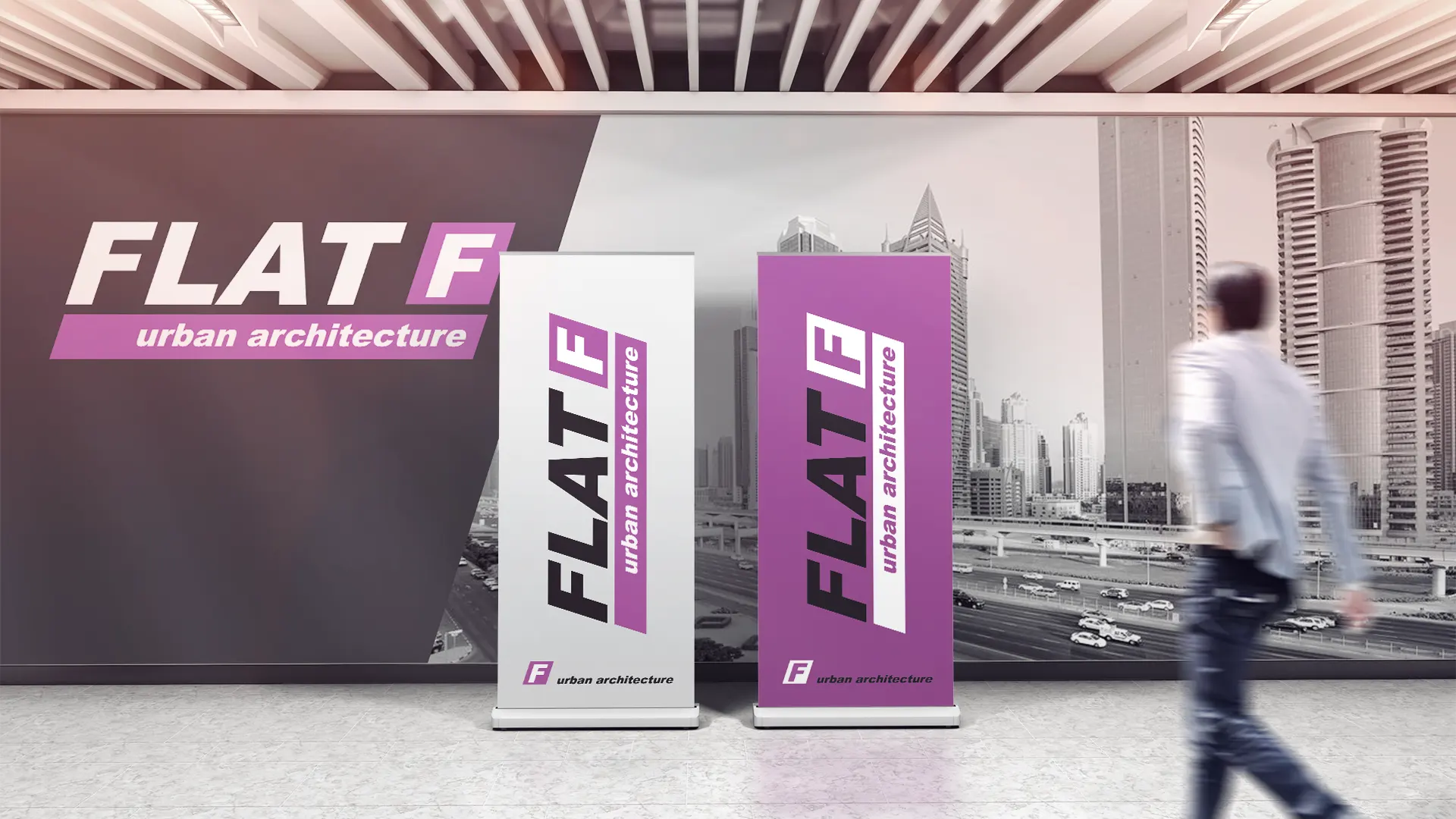
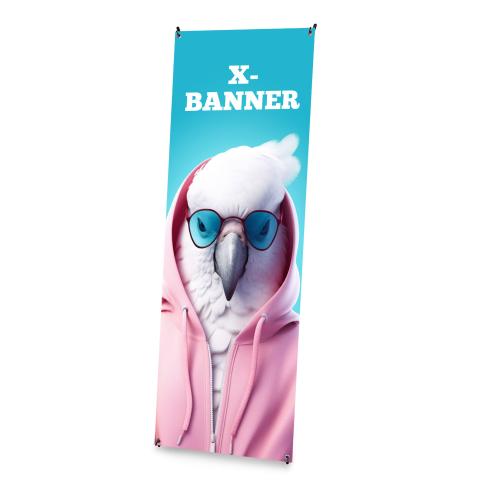
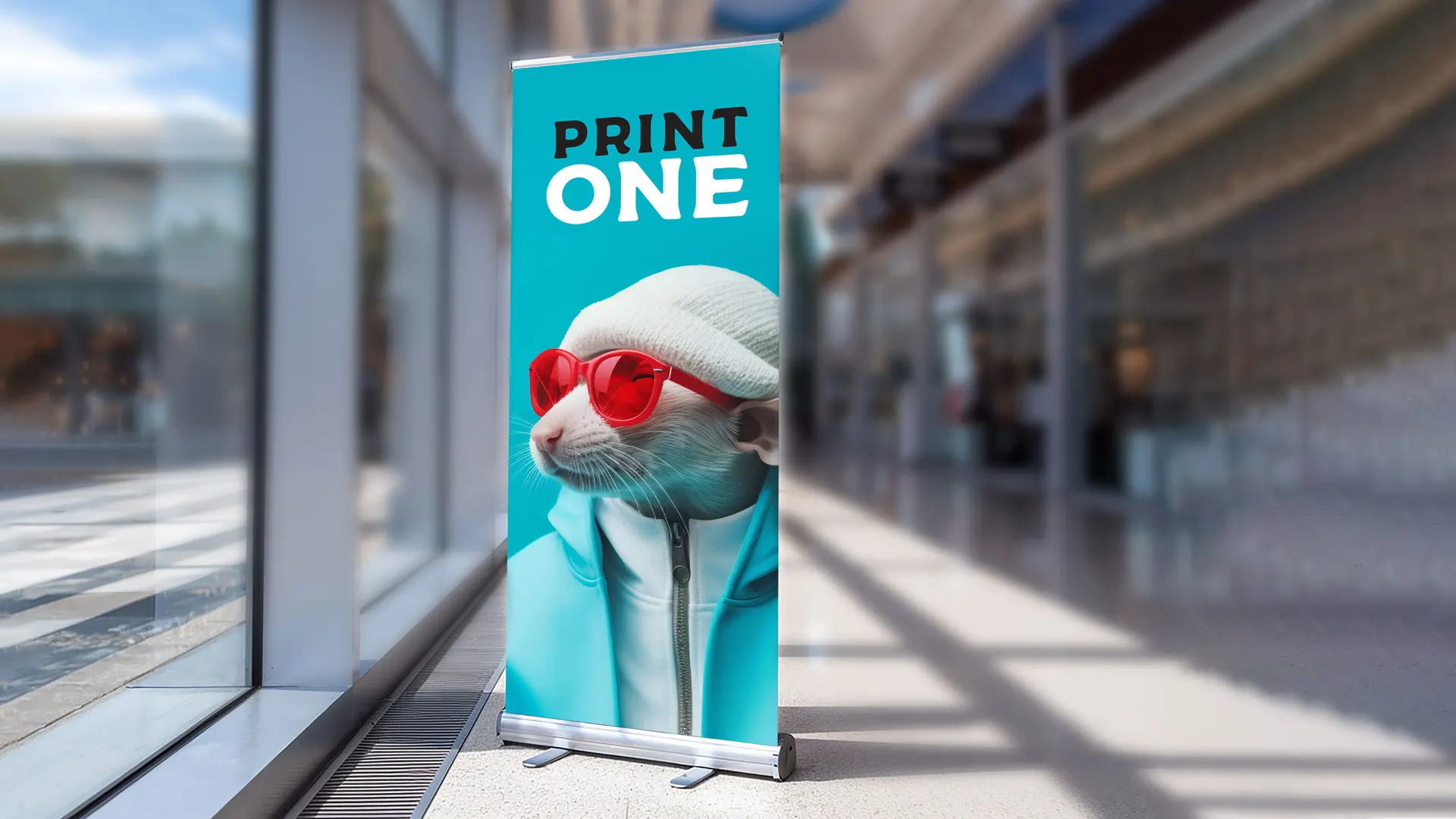
The Roll-up is one of the most practical advertising tools out there, and in recent years it has shown up at almost every exhibition, fair and business event. It fits into a small space, can be set up in a few seconds, and gives your brand a huge, highly visible surface. A well-designed Roll-up is not just eye-catching, it's also a cost-effective investment in the long run. This mobile marketing tool is easy to transport, can be taken to a new location at any time, and always keeps your branding consistent.
Ways to use it that you might not have thought of
The most common use is undoubtedly the world of events and exhibitions, where you need to put together the look of your stand quickly and spectacularly. But the Roll-up isn't only for these situations. In shops, for example, it's also great for communicating temporary promotions, product launches or seasonal messages. A less talked-about but increasingly popular use is internal communication. Companies use it for internal briefings and to illustrate rules or safety information. You can even turn it into a photo wall or themed backdrop at a company event, so it works as both a marketing and an experience element at the same time.
Design tips worth following
One of the most important rules when designing is readability. The main message should be clearly visible even from 2-3 meters away, so it's worth working with short, concise text and contrasting colors. Place the logo and key information at eye level, since that's where the eye automatically focuses. Image quality matters too: using print-resolution photos (at least 150–300 dpi) and vector logos is essential for a professional look. One often overlooked but very important design detail: don't put any essential information in the bottom 20–25 centimeters of the Roll-up. In practice, this part is often covered by a table, a bag or the edge of the stand, so if the key content ends up there, your message can easily get lost.
Typical pitfalls to avoid
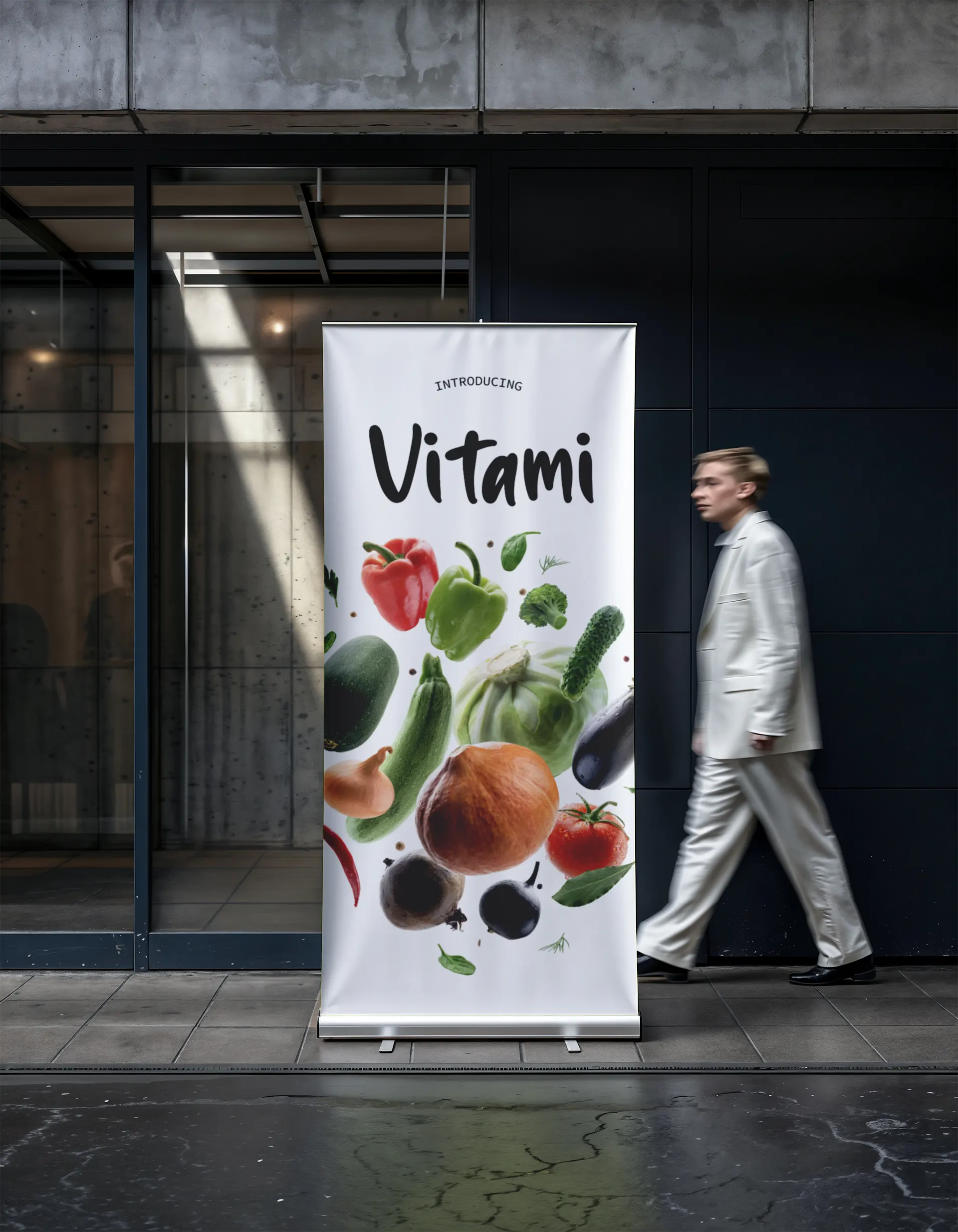
Many people make the mistake of creating an overcrowded design. A Roll-up is not a flyer: there's no need for long descriptions. Simplicity and visual hierarchy are far more effective. Another common mistake is using images with the wrong resolution, which results in a pixelated, blurry print. It's just as problematic if the chosen colors don't take the lighting of the location into account. For example, a light, pastel-colored graphic can easily get "lost" outdoors in strong sunlight. Don't forget about the quality of the hardware either. A cheap stand made of weak material can break down in no time, which is not only annoying but also damages the image people have of your brand.
Maintenance and tips to extend its lifespan
The lifespan of a Roll-up depends greatly on how you store and use it. When transporting it, always keep it in its case, which protects the surface from scratches and dust. When storing it, choose a dry place, so you can avoid the material warping or the print curling up. Handle the mechanism carefully when setting it up and folding it down – if you use it often, the mechanism will reward you over time for the gentle treatment.
Extra tip: think ahead with your graphics
If you want to use your Roll-up at several events, avoid content tied to a date, a specific promotion or a period. That way the print can stay current for years, and you won't need a new one every year. In PrintONE's design service we take this into account, so we help you create a graphic solution that stays usable in the long run.
Roll-up as a long-term investment
A well-designed Roll-up is not just eye-catching, it's a mobile branding element you can use again and again. If you choose the hardware, graphics and material wisely, it will be a loyal companion in your brand's communication for years.